Why You Need a Builder Before You Buy Land
Many buyers fall in love with a lot because of the views, location, or price.
But what looks like the perfect homesite can hide construction challenges beneath the surface. In Coastal North Carolina, factors such as soil conditions, flood elevation, drainage, and local regulations can significantly impact whether a property is truly buildable.
Involving a custom home builder before purchasing land helps buyers identify potential limitations early and make smarter decisions before closing on the property.
Why should you involve a builder before buying land in Coastal North Carolina?
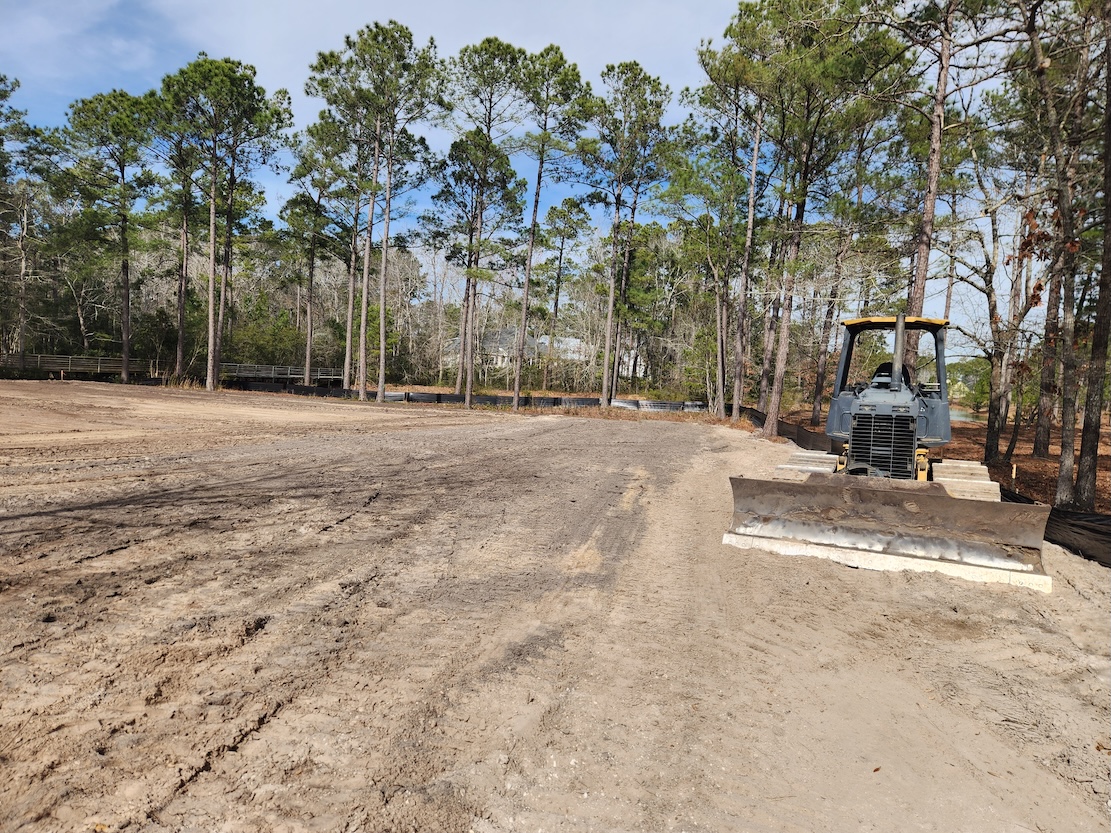
A builder can evaluate elevation, soil stability, drainage, utilities, and regulatory restrictions before purchase. This early evaluation helps confirm whether the lot is realistically buildable and prevents costly surprises during the design or permitting process.
Richmond Homes offers custom home building services that include early land evaluation to help homeowners assess whether a property is suitable for construction in Coastal North Carolina.
A Builder Sees What Buyers Often Miss
Topography and Elevation
Subtle elevation changes on a lot can influence how a home must be designed and positioned.
Topography affects several aspects of construction, including:
- Foundation design
- Drainage planning
- Driveway placement
- Home orientation on the lot
In coastal areas, elevation requirements may also determine how high the home must sit above base flood elevation. This can influence the entire layout of the structure.
Understanding these conditions early allows builders to design homes that work with the land rather than forcing a design that may require costly modifications later.
Soil Conditions and Site Stability
Coastal soils can vary dramatically even within the same neighborhood.
Some areas consist primarily of sand, while others include silty soils or fill from previous development. Soil composition influences:
- Foundation engineering
- Site preparation costs
- Long-term structural performance
A lot that appears flat and stable may require additional foundation preparation depending on the underlying soil conditions.
Buyers can research coastal site conditions using the North Carolina Division of Coastal Management Interactive Map Viewer, which provides information on coastal hazards, erosion rates, regulatory boundaries, and planning data that can influence buildability.
Utilities and Infrastructure Aren’t Always Obvious
One of the most overlooked factors when buying land is access to utilities.
Before purchasing a lot, buyers should confirm the availability of:
- Water and sewer connections
- Septic feasibility
- Electrical service access
- Stormwater requirements
Extending utilities to a property can significantly increase development costs if connections are not already available.
Experienced builders evaluate these factors early to determine whether the lot can realistically support the desired home.
Richmond Homes builds throughout coastal Southeastern North Carolina, including projects that require careful evaluation of infrastructure and regulatory requirements. Learn more about where Richmond Homes builds in Coastal North Carolina and how local expertise helps streamline site development.
Setbacks, Easements, and Coastal Regulations
A lot’s advertised size does not always reflect the area where construction can actually occur.
Zoning rules, easements, and setback requirements can limit where a home can be placed on the property.
Coastal lots may also require:
- Environmental reviews
- Coastal Area Management Act (CAMA) permits
- Additional shoreline buffer zones
These requirements can significantly reduce the usable building footprint.
According to the North Carolina oceanfront construction setback rules, setbacks are determined using long-term shoreline erosion rates and can reduce the buildable area of oceanfront properties.
Understanding these restrictions before purchasing land helps prevent costly surprises later.
Design Should Follow the Land
Successful custom homes are designed around the characteristics of the lot.
A builder evaluates factors such as:
- Sun exposure and natural lighting
- Prevailing wind direction
- Drainage flow across the property
- Optimal home placement for views and privacy
Trying to force a design onto an incompatible lot can lead to expensive redesigns or construction challenges.
Coastal development regulations also influence how properties can be used. The Coastal Area Management Act (CAMA) land use planning framework guides development decisions and helps ensure that construction aligns with environmental and community planning standards.
Designing the home with the land in mind allows architecture and site conditions to work together.
Early Builder Input Protects Your Budget
Many site challenges only become visible once a builder evaluates the property.
Without early assessment, buyers may encounter unexpected costs related to:
- Foundation engineering
- Drainage improvements
- Utility extensions
- Permit approvals
Identifying these factors before purchasing the land allows buyers to make informed financial decisions.
Richmond Homes incorporates feasibility reviews into our custom home building process so homeowners understand site conditions and regulatory requirements before committing to construction.
Not Every “Great Deal” Is Actually a Deal
Occasionally, lower-priced lots reflect hidden site challenges.
These properties may have issues such as:
- Poor drainage
- Limited road access
- Soil instability
- Complex permitting requirements
A professional site walk with a builder can reveal whether a property represents a genuine opportunity or a potential long-term complication.
Builder Insight Brings Confidence to the Purchase
Involving a builder before purchasing land provides clarity and confidence throughout the decision process.
Early evaluation helps homeowners:
- Confirm whether the lot is truly buildable
- Align architectural vision with site conditions
- Understand regulatory requirements
- Avoid post-purchase design changes
Richmond Homes’ portfolio of custom homes in Coastal North Carolina demonstrates how thoughtful site planning and design can transform challenging properties into exceptional homes.
Frequently Asked Questions About Buying Land in Coastal North Carolina
Should you talk to a builder before buying land?
Yes. A builder can evaluate elevation, soil stability, drainage, and zoning restrictions before purchase to confirm whether the property can support the home you want to build.
What makes coastal land harder to build on?
Coastal lots often involve flood zones, high water tables, stricter wind-load requirements, and environmental regulations that affect foundation design and buildable area.
Do coastal properties require special permits?
Some coastal properties require Coastal Area Management Act (CAMA) permits or additional environmental reviews depending on their location and proximity to shoreline areas.
Build With Clarity From the Beginning
The most successful custom homes begin long before construction starts.
Evaluating land with an experienced builder helps homeowners understand the true potential (and limitations) of a property before committing to the purchase.
If you are considering buying land in Coastal North Carolina, Richmond Homes can help assess site conditions, regulatory requirements, and overall feasibility before you close.
Contact Richmond Homes to evaluate your coastal homesite and ensure your land supports your vision for a custom home.