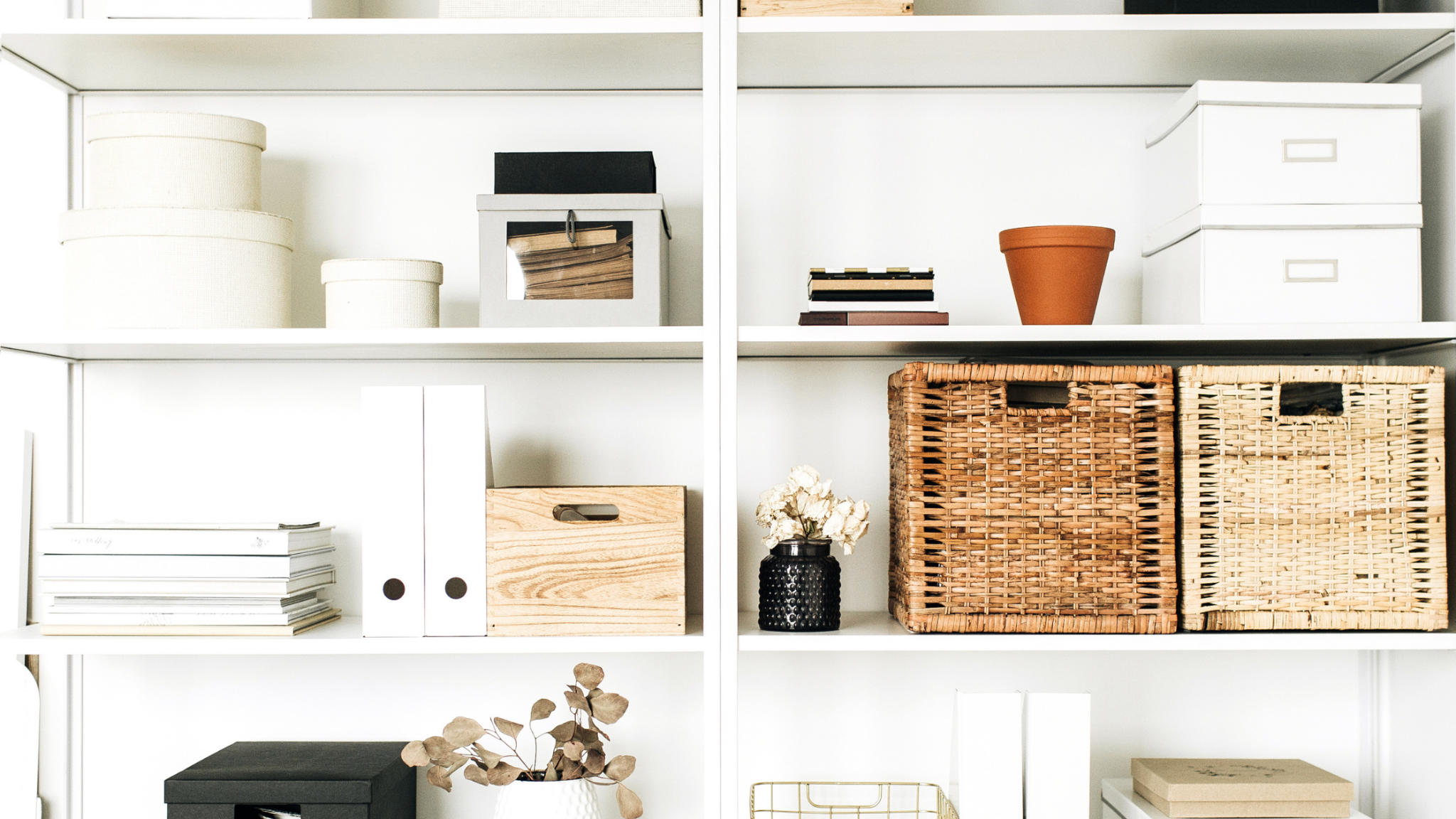
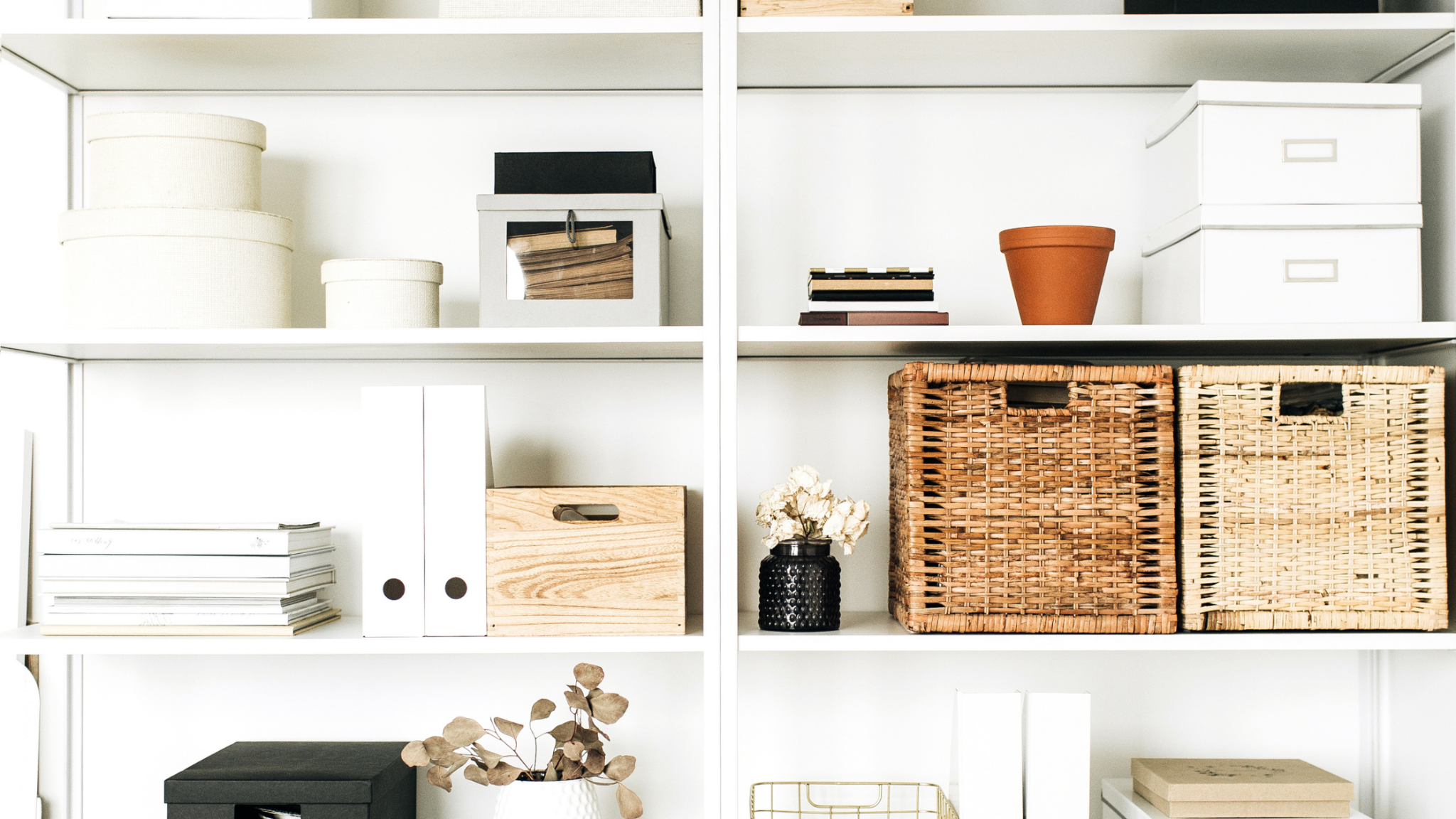
Storage is one of those home features people notice most when it is missing. A beautiful home can still feel frustrating if there is nowhere to put shoes, beach towels, pantry items, laundry, holiday décor, tools, or everyday clutter.
That is why storage should never be treated like an afterthought. When it is planned well, a home feels calmer, cleaner, and easier to live in. Daily routines move more smoothly because the things you use most often have a place to land.
When building a custom home, storage can be designed around the way your family actually lives from the very beginning.Richmond Homes is a family-owned custom home builder based in Leland, NC, serving Southeastern North Carolina communities including Wilmington, Leland, Southport, Hampstead, Brunswick County, New Hanover County, and Pender County.
Quick Answer: Why Does Storage Design Matter So Much?
Good storage changes how a home feels because it helps every room work better. It can make spaces feel less cluttered, easier to clean, more open, more organized, and better suited for daily routines.
Storage should be planned around how people actually live, not just where cabinets happen to fit. In a custom home, storage can be built into the floor plan from the beginning instead of added later as an afterthought.
Richmond Homes guides clients through planning, design, construction, final walkthroughs, and post-construction support for custom homes in Southeastern North Carolina. That process gives homeowners the chance to think through storage needs early, when those choices can shape the way the home functions every day.
This post on our blog explains how custom homes create personalized, efficient living spaces that reflect each family’s lifestyle and long-term needs.
The Entryway Sets the Tone
The first few steps into a home can decide whether the whole space feels organized or chaotic. If shoes, bags, jackets, pet leashes, sports gear, and beach towels have nowhere to go, they usually end up in the kitchen, living room, or hallway.
A smart entryway or mudroom gives everyday items a place to land before they spread through the house. Built-in benches, hooks, cubbies, closets, and drop zones can make coming and going feel much easier.
This is especially helpful in coastal North Carolina, where families often come home with sand, rain gear, beach bags, or outdoor equipment. A well-designed mudroom can help keep the main living areas cleaner while still making everything easy to grab on the way out the door.
We have a blog post on popular custom home features in coastal North Carolina, including storage and flex spaces for beach gear, bikes, fishing rods, kayaks, home offices, guest suites, and playrooms.Those details can make a big difference in how a coastal home feels day to day, especially when homeowners are adjusting to a home without basement storage.
Plan for the Basement Space You May Be Used To
For homeowners moving to coastal North Carolina from the North, Midwest, or West, one of the biggest surprises is the lack of basement storage. In many parts of the country, basements hold everything from holiday décor and tools to old furniture, sports equipment, keepsakes, and bulk pantry items. Along the coast, that kind of below-grade storage usually is not part of the home.
That means storage needs to be planned more intentionally throughout the house. Instead of relying on a basement to catch everything, homeowners may need better closets, a larger pantry, garage storage, walk-in attic space, mudroom cabinetry, built-ins, and dedicated storage zones for seasonal or occasional items.
This is where custom home design can make a big difference. Richmond Homes can help homeowners think through where storage should live before construction begins, so the home does not feel short on space after move-in.
Attic design can also help make up for the storage people may be used to having in a basement. Many Richmond Homes builds include walk-in attic areas, and Chad uses spray foam insulation in the attic so those spaces can stay closer to the home’s temperature. That can make attic storage feel more practical and easier to access than a standard unfinished attic, especially for items families want nearby but do not use every day.
Kitchen Storage Makes Daily Life Easier
Kitchens are easier to enjoy when everything has a logical place. Cooking, hosting, unloading groceries, packing lunches, and cleaning up all feel smoother when the kitchen is designed around real routines.
Thoughtful kitchen storage may include walk-in pantries, appliance garages, deep drawers, pull-out shelves, hidden trash and recycling, coffee stations, and oversized islands with storage. These details help keep counters clear without making the kitchen feel overly packed with cabinets.
A kitchen can look beautiful, but smart storage is what makes it feel easy to use every day. If small appliances are always on the counter, pantry items are hard to see, or serving pieces are stored far from where they are used, the space may become frustrating even if it photographs well.
The National Kitchen & Bath Association notes that kitchens continue to influence whole-home design, which makes thoughtful layout and storage planning even more important. In many homes, the kitchen is not just a place to cook. It is where people gather, talk, do homework, entertain, and move through the busiest parts of the day.
Bedrooms and Closets Should Match Real Routines
Bedroom storage should support how people get ready, unwind, and move through their day. A well-planned primary closet can reduce clutter in the bedroom and bathroom, making the entire suite feel more peaceful.
It is not just about having a large closet. It is about making the closet useful. Hanging space, drawers, shelving, shoe storage, hamper space, and lighting can all change how easy the closet is to use.
Secondary bedrooms need thoughtful storage too. A child’s closet may need to handle clothes, toys, sports gear, school supplies, and future growth. A guest room may need flexible storage that works for visitors now and a different use later. Linen closets, laundry storage, and bathroom cabinetry also matter because they keep daily essentials close to where people actually use them.
When storage is placed thoughtfully, the home feels more relaxed because fewer things end up sitting out.
Flex Spaces Need Built-In Purpose
Flex rooms are more useful when they include storage from the start. A room used as an office, playroom, workout area, craft room, or guest space needs a place to hide supplies when the room changes function.
Without storage, flex rooms can become catch-all spaces. With the right built-ins, closets, shelving, or cabinets, one room can serve multiple purposes without feeling messy.
For example, a playroom with cabinets can become a homework room later. A home office with built-in shelving can double as a guest space. A craft room with closed storage can stay organized even when projects are in progress.
This kind of flexibility is one of the biggest advantages of building a custom home instead of trying to make an existing layout work. This post shares design solutions for custom homes that help maximize space, function, and everyday livability.
Outdoor and Garage Storage Matter Near the Coast
Coastal homes often need storage beyond the main living areas. Homeowners may need room for bikes, beach chairs, fishing gear, pool supplies, kayaks, tools, lawn equipment, and seasonal décor.
If these items are not planned for, they can take over the garage, porch, patio, or laundry room. Over time, those overflow zones can make the home feel less organized than it really is.
Garages, outdoor closets, pool storage, and covered storage areas can keep everyday gear organized and protected. This is especially helpful in Southeastern North Carolina, where outdoor living is a major part of how families use their homes.
Better Homes & Gardens shares storage ideas for organizing everyday items in kitchens, closets, garages, and other hard-working areas of the home. The same idea applies to a custom build: the hardest-working areas deserve some of the most thoughtful planning.
Storage Helps a Home Feel Good Long-Term
A home’s storage needs can change as families grow, kids move out, relatives visit, hobbies change, or homeowners age in place. A storage plan that works on move-in day should also support the way life may change later.
Wider closets, easy-access cabinets, first-floor storage, organized laundry areas, and smart garage storage can all support long-term comfort. These details may not be the flashiest part of a custom home, but they can make daily life feel easier for years.
The National Institute on Aging explains that home setup, safety, and accessibility can help people stay comfortable at home as their needs change. Storage plays a role in that because the things people use often should be easy to reach, easy to organize, and easy to put away.
A well-designed home should make daily life feel smoother now and still work well later.
Build Storage Into the Plan, Not Around the Clutter
Thoughtful storage does more than hide things. It helps a home feel peaceful, functional, and made for the people who live there.
From mudrooms and pantries to closets, garages, and flex spaces, storage design can change how every part of the home feels. It can keep the kitchen calmer, the bedrooms cleaner, the entryway easier to use, and the garage from becoming a daily frustration.
Richmond Homes helps homeowners across Southeastern North Carolina design custom homes with details that support real routines, coastal living, and long-term comfort.
If you are planning a custom home in Brunswick County, New Hanover County, or Pender County, contact Richmond Homes to start designing a custom home with storage that works beautifully from day one.